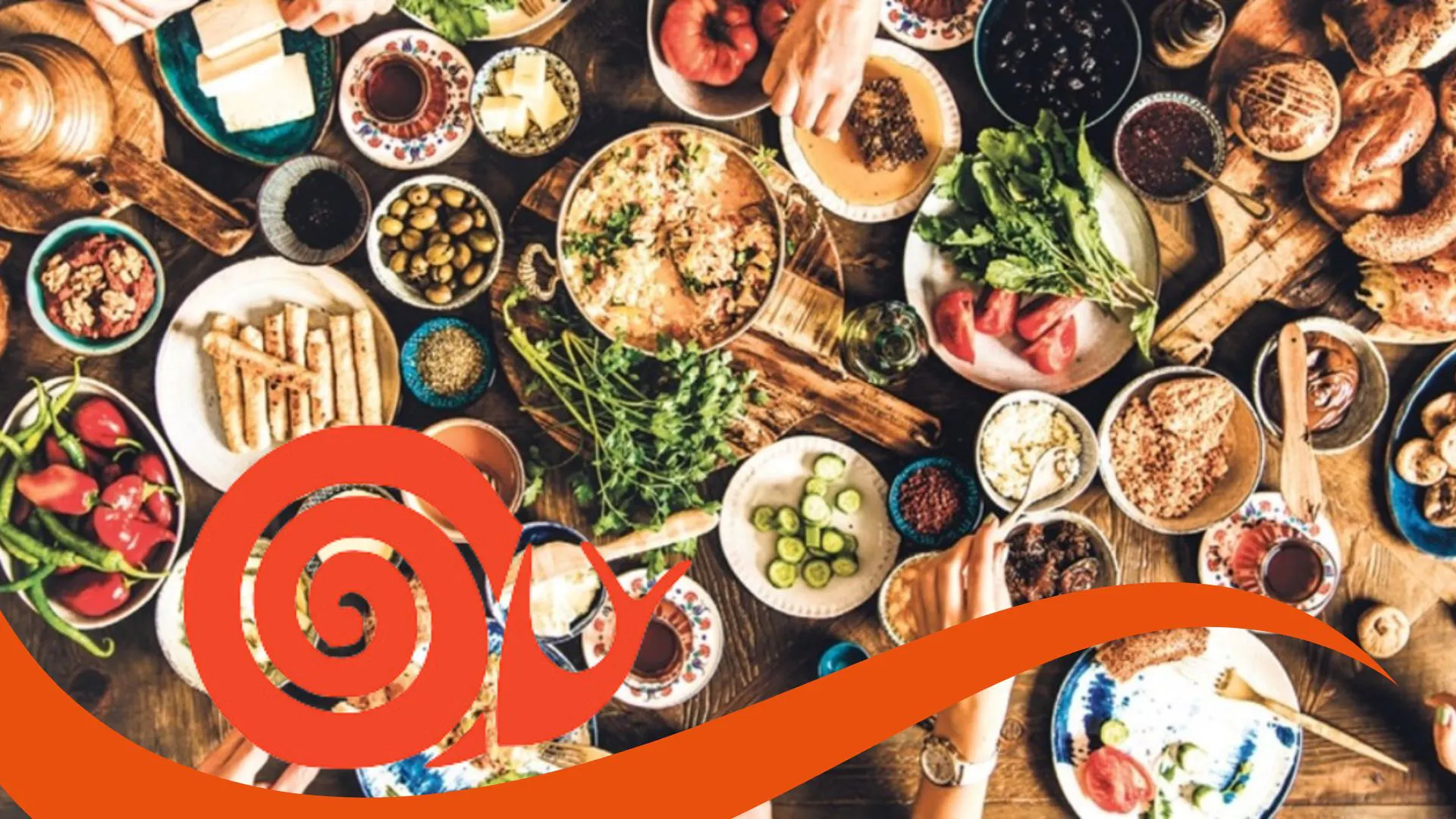
A Beginner’s Guide to the Slow Food Movement
And the best slow food festivals to keep an eye on in 2025...
Article may contain sponsored links
Is one of your New Year's Resolutions to eat better? Then you're in luck. In a world where everything feels rushed, from the grind of daily life to the grab-and-go nature of modern eating, there’s a movement quietly making waves, encouraging us to take a breath, slow down and truly savour the essence of what we put on our plates.
Dubbed the Slow Food Movement, an increasing number of people are looking to turn the fast-paced food culture on its head, and here's exactly why you should start paying attention.
What Is the Slow Food Movement?
The Slow Food Movement promotes a world where food isn’t just something you eat on the go to fuel your next task, but something that nourishes your body, your community and even the planet. More than just a passing trend, it's about rethinking how we approach food in our daily lives, celebrating the people who grow the ingredients we eat and paying tribute to the myriad of flavours that come from local, sustainable food systems. McDonald's, this is not - but more on that later.
There are three simple words at the heart of the movement: good (think flavourful, healthy and locally-sourced), clean (grown in ways that honour the environment and support the land) and fair (ensuring that farmers, workers and food artisans are treated justly and paid fairly). In other words, it's so much more than what you put in your stomach - it's about celebrating the art of cooking, the joy of eating and the importance of sustainable food practices.
A Quick History of Slow Food
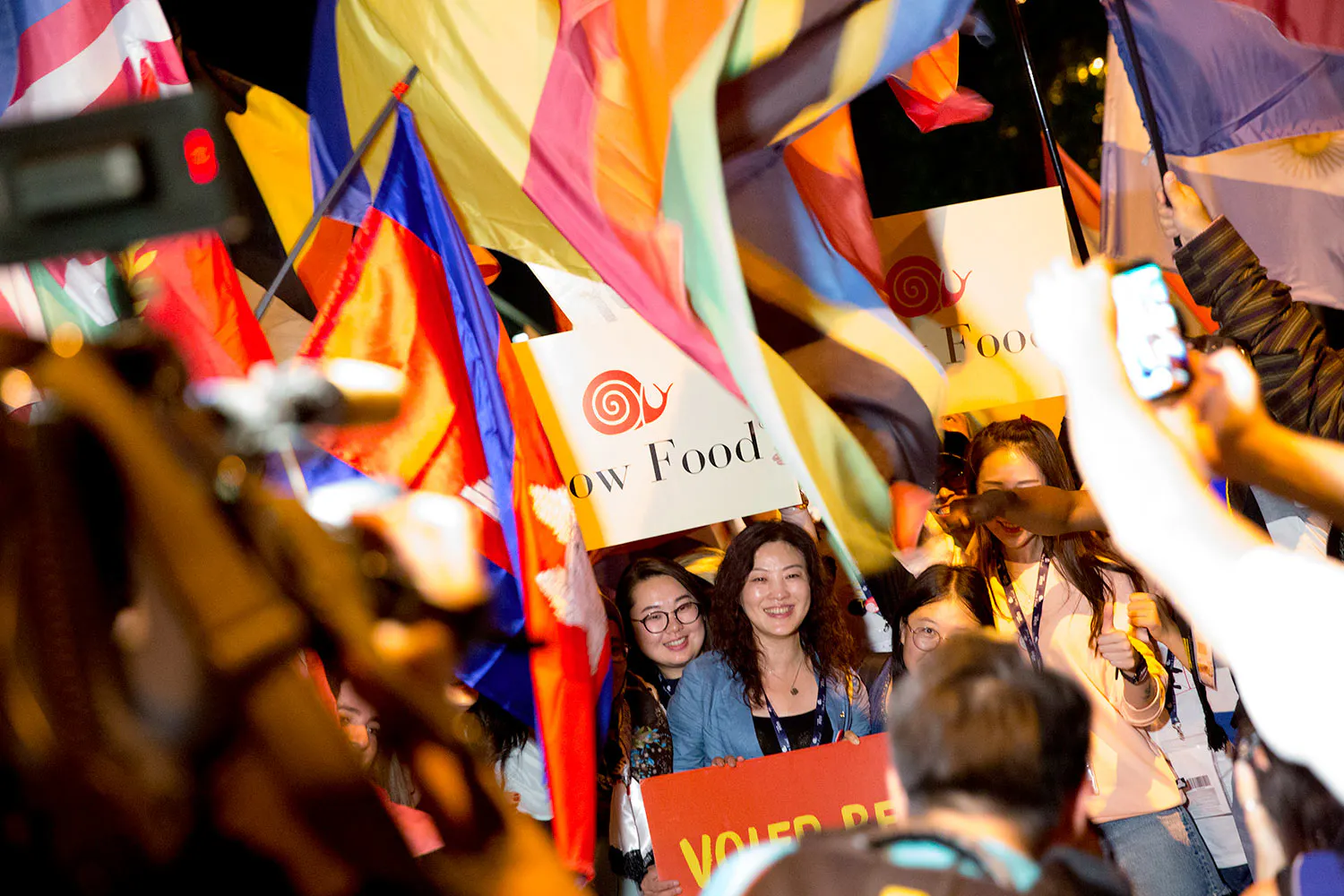
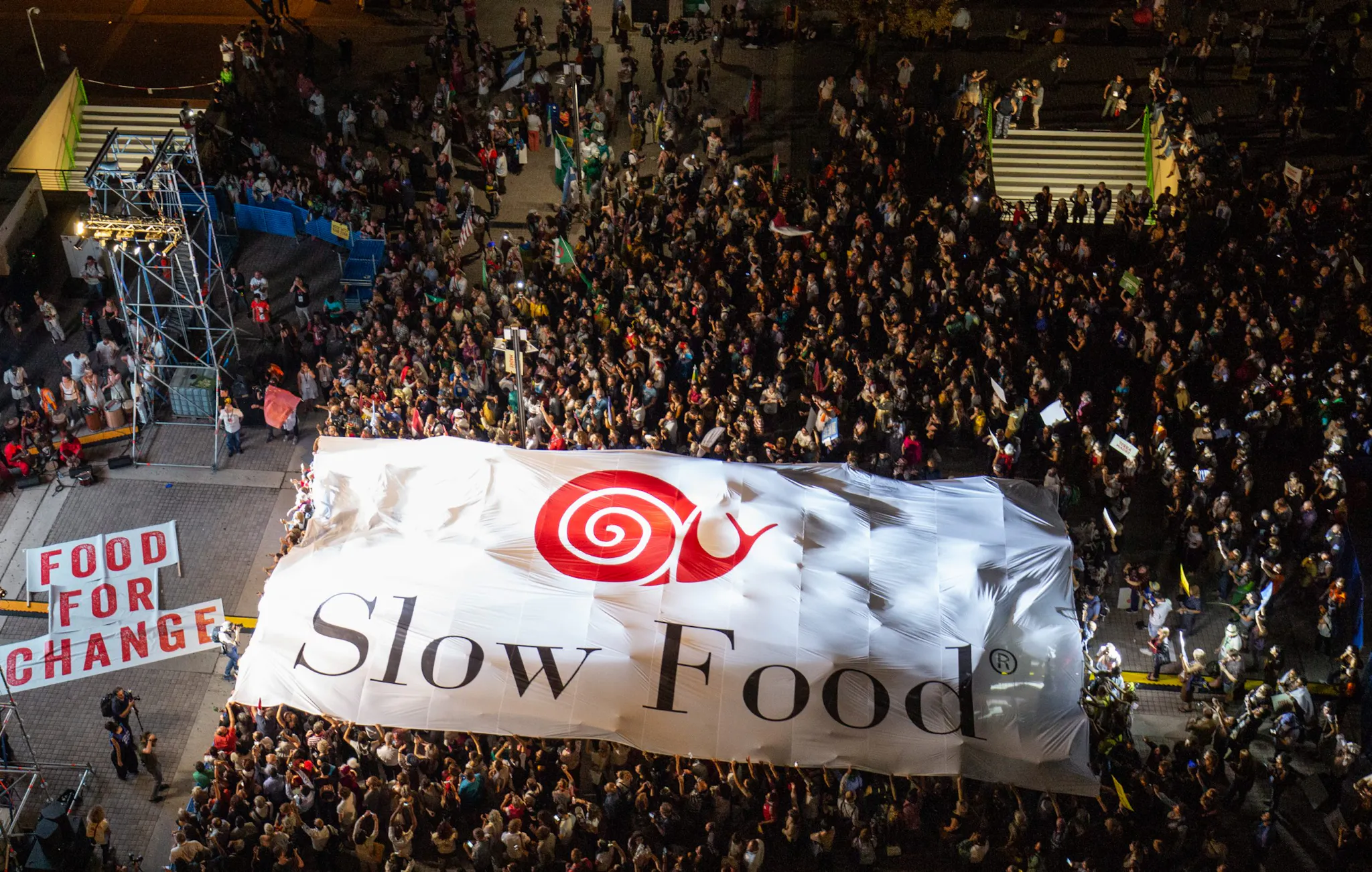
The Slow Food Movement dates back to 1986, when Italian journalist and activist Carlo Petrini saw a McDonald’s creeping near the iconic Spanish Steps in Rome. Concerned by the rise of fast food and a broader cultural shift that threatened local food traditions, biodiversity and the very Italian idea of spending hours over a meal, he went out in protest and quickly gained followers in their droves. From those early days in Italy, it has now blossomed into a global movement, uniting people from all corners of the world in a shared love for food that is rich, real and rooted in community.
The Key Rules of Slow Food
1. Eat locally: With many of the foods we consume on a regular basis shipped across the globe, Slow Food encourages us to look closer to home, prioritising foods that are grown and harvested locally - they promise the freshest, most vibrant flavours while supporting local farmers and reducing the environmental cost of transportation. Is there anything better than sinking your teeth into a perfectly ripe tomato, grown just down the road, bursting with the kind of sweetness you can’t find in those plastic-wrapped supermarket varieties? We think not.
2. Eat seasonally: It’s not just about where your food comes from - it’s also about when it’s grown. Slow Food encourages us to eat what’s in season for the best flavours, and this also reduces the strain on our ecosystems. Local farmer's markets are great for this, and you'll be helping small-scale farmers at the same time.
3. Embrace biodiversity: Today's industrial food system often pushes uniformity, with mass-produced varieties of fruits and vegetables that look the same, taste the same and are bred for convenience, not flavour. On the other hand, Slow Food encourages the preservation of rare, heirloom varieties, preserving the genetic diversity that helps protect our food supply for future generations.
4. Eat mindfully: Rather than rush through meals, take time to sit down and savour each bite. Think of food as an experience rather than fuel, with mealtimes a chance to connect with loved ones. Start by cooking at home more often - taking time to prepare your own food, you not only gain control over what goes into it, but you also deepen your connection to the ingredients you’re using.